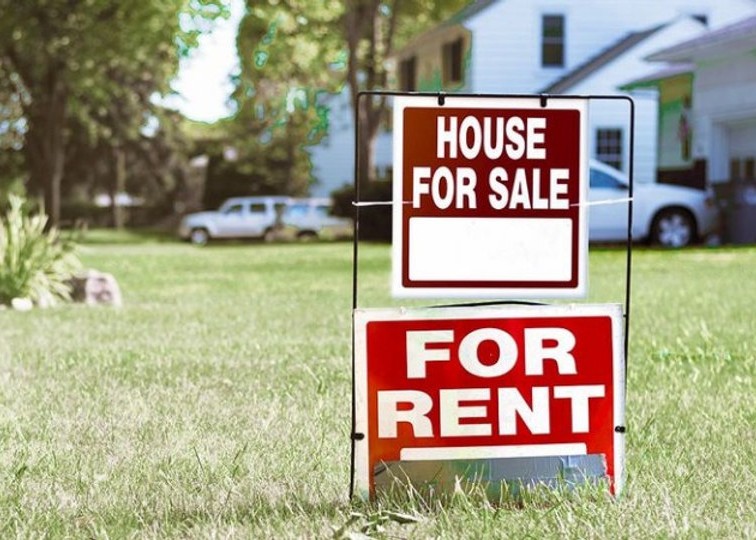
How to Sell a Rental Property in Houston With Tenants Still in Place
You've decided it's time to sell your Houston rental property. Maybe you're tired of the late-night maintenance calls. Maybe a tenant stopped paying and the eviction process has you exhausted. Maybe you've just reached the point where cashing out makes more sense than holding on. Whatever the reason — you're ready to sell.
There's just one complication: someone is still living there.
Selling a tenant-occupied property in Houston is absolutely doable. But it works very differently from selling a vacant home — and if you go in without understanding how, it can turn into a much longer, more frustrating process than it needs to be. Here's what Houston landlords need to know.

Why Tenant-Occupied Properties Are Hard to Sell the Traditional Way
When you list a home on the MLS, you're marketing primarily to retail buyers — people looking for a place to live. And the vast majority of those buyers want one thing: a vacant, move-in ready home they can picture themselves in.
A tenant-occupied property immediately shrinks your buyer pool. Most traditional buyers won't consider it, and those who do often use it as leverage to push your price down. On top of that, you're dealing with:
Showing complications. In Texas, landlords are required to give tenants reasonable notice before entering the property — typically 24 hours. Coordinating showings around a tenant who may not be cooperative (or who actively doesn't want to move) makes the listing process genuinely painful.
Inspection access issues. Buyers expect full access during inspections. Getting that with an uncooperative tenant in place can be a challenge.
Financing restrictions. Many conventional loan programs have restrictions around tenant-occupied properties, particularly if the lease has specific terms or if there are rent arrears involved. This further limits your buyer pool to investors — who will absolutely factor in the headache as part of their offer.
Lease obligations. In Texas, a lease survives a sale. That means if your tenant has six months left on their lease, the new owner is bound by those same terms. Most retail buyers don't want to inherit a lease. Even investors want to know exactly what they're walking into.
The bottom line: a traditional listing works best with a vacant, clean, show-ready home. A tenant-occupied rental is a different animal entirely.
What Texas Law Says About Selling With Tenants
Before you do anything, it's worth understanding a few basics about Texas landlord-tenant law as it relates to selling:
Leases transfer with the property. If your tenant has a fixed-term lease, the new owner must honor it. You cannot force a tenant to leave simply because you're selling the property.
Month-to-month tenants have more flexibility. If your tenant is on a month-to-month agreement, you can typically provide written notice to end the tenancy — usually 30 days in Texas, though your lease may specify more. Timing this correctly before or during a sale takes planning.
Tenants must be given proper notice before showings. Texas law requires landlords to provide reasonable advance notice before entering a rental unit. What counts as "reasonable" isn't defined by a specific number of hours in state law, but 24 hours is the widely accepted standard.
Security deposits follow the property. When you sell, the security deposit obligation transfers to the new owner. Make sure this is clearly addressed in the sale.
This isn't legal advice — if you're navigating a complicated tenant situation, it's worth a conversation with a Texas real estate attorney. But understanding the basics helps you see why a traditional sale gets complicated fast.
The Three Types of Tenant Situations — and How Each Affects Your Sale
Not all tenant-occupied sales look the same. The situation on the ground matters a lot.
Good Tenants, Active Lease
This is the easiest scenario. Your tenants are paying on time, the property is in decent shape, and everyone is reasonably cooperative. You still face the challenges of showing a occupied home and finding a buyer willing to inherit the lease — but it's manageable.
A cash buyer who specializes in investment properties is still often the fastest and cleanest path forward here. They understand what they're buying, don't need the home to be vacant, and can work around the existing lease without making it a problem.
Difficult or Non-Paying Tenants
This is where things get genuinely stressful. If your tenant is behind on rent, has damaged the property, or is actively uncooperative, a traditional sale becomes nearly impossible. Showings turn into confrontations. Inspections get blocked. And the legal process of removing a tenant in Texas — even a non-paying one — takes time you may not want to spend.
Cash buyers who regularly purchase investment properties have seen this before. They can evaluate the property knowing a difficult tenant situation exists, factor it into the offer, and take on the responsibility of resolving it after closing. For a lot of landlords in this situation, that handoff alone is worth it.
Mid-Eviction or Legal Dispute
If you're in the middle of an eviction, selling during that process is legally complicated and practically messy. It's not impossible — but it requires a buyer who knows exactly what they're taking on. A local cash buyer experienced with these situations can assess where things stand and tell you honestly whether a sale makes sense right now or whether you'd be better off waiting for the eviction to resolve first.
Why a Local Cash Buyer Is Often the Best Exit for Houston Landlords
Investor-to-investor sales are a different world from traditional home sales — and that's exactly what selling to a cash buyer is. Here's why it works so well for tenant-occupied properties:
No vacancy required. A cash buyer doesn't need the home empty. They're buying an investment, not a place to live. Tenants in place? Not a dealbreaker.
No showings to coordinate. Most cash buyers do a single walkthrough to assess the property. No repeated access requests, no staging, no working around your tenant's schedule for weeks.
No financing contingencies. Because there's no lender involved, the deal doesn't fall apart because a bank got skittish about the occupancy situation or the lease terms.
They understand leases and tenant situations. A good local cash buyer has purchased tenant-occupied properties before. They know how to handle lease transfers, security deposit handoffs, and difficult tenant situations. You don't have to explain the complications — they already get it.
Fast closing. If you're ready to be done, a cash sale can close in one to two weeks. You hand off the property, the tenants, the lease, and the headaches — all in one transaction.
How the Process Works at sellhomerequest.com
If you're a Houston landlord ready to exit, here's what working with a local cash buyer actually looks like:
Share your property details. Tell us about the home, the current tenant situation, whether there's an active lease, and anything else relevant. The more context you give upfront, the faster we can put together a real offer.
Receive a cash offer within 24–48 hours. We assess the property based on its current condition and the tenant situation as it actually exists — not how it would look after a full turnover. No obligation to accept.
Choose your closing timeline. Whether you need to close fast or want a few weeks to get your paperwork in order, the timeline is flexible.
Close and walk away. The transaction closes through a title company. Lease obligations, security deposits, and tenant relationships transfer to the new owner. You're done.
No agent commissions. No repair requirements. No navigating tenant access for months of showings. Just a clean exit.
Is Selling to a Cash Buyer the Right Move for You?
It's worth seriously considering if any of these apply:
You're tired of being a landlord and just want out
Your tenant isn't paying and you don't want to wait out an eviction
The property needs work you don't want to put money into
You want to close quickly without the complications of a traditional listing
You want certainty — a real offer, a real date, no deals falling through
If you're not sure, getting a no-obligation cash offer costs you nothing. It gives you a real number to compare against what a traditional sale might look like after accounting for vacancy costs, repairs, agent commissions, and months of holding costs. A lot of landlords are surprised by how much of that gap disappears when you run the real math.

Ready to sell your Houston rental property without the hassle? Get a no-obligation cash offer at sellhomerequest.com — no repairs, no vacancy required, no pressure. Just a straightforward conversation about your property and a fair number to work with.