Selling a Fire-Damaged Home in Houston — What Are Your Options?
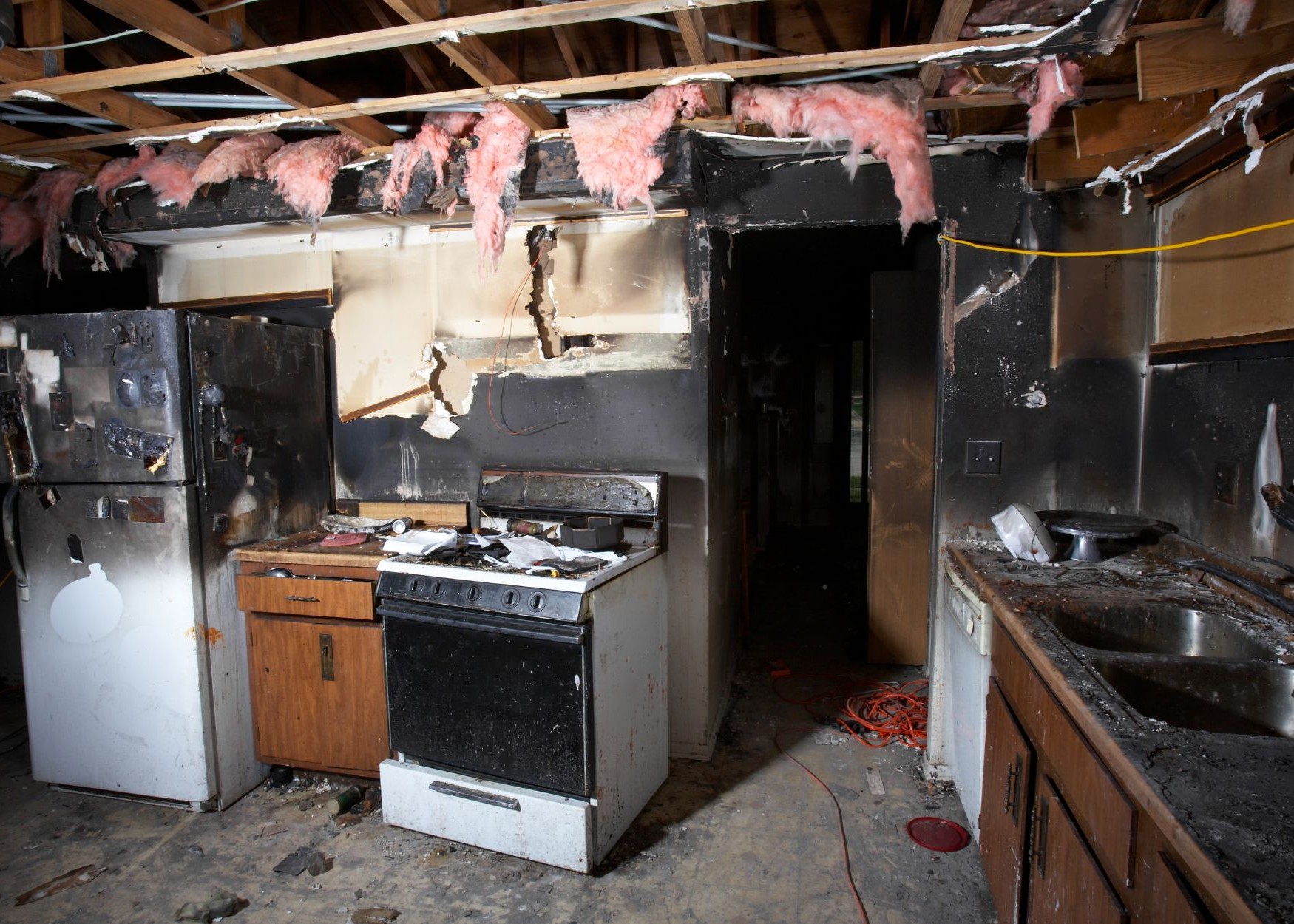
A house fire is one of the most traumatic things a homeowner can experience. Whether it was a small kitchen fire that left smoke damage throughout the home or a major blaze that gutted entire sections of the structure — the aftermath is overwhelming. You're dealing with insurance adjusters, temporary housing, lost belongings, and the looming question of what to do with the property itself.
If you're trying to figure out what comes next for your Houston home, this post walks through your real options — honestly and without pressure — so you can make the best decision for your situation.
First, Give Yourself a Moment
Before jumping into logistics, it's worth acknowledging what you've just been through. A fire doesn't just damage a building — it disrupts your life, your sense of security, and sometimes your most irreplaceable memories. Whatever decisions you make about the property, make them from a place of clarity, not panic.
That said, there are time-sensitive pieces to this — especially around insurance — so let's walk through what you need to know.

The Insurance Piece — Handle This First
Before you think about selling, make sure your insurance claim is properly filed and documented. This is critical regardless of which direction you go with the property.
A few things to keep in mind:
Document everything before any cleanup begins. Take photos and video of every affected area. The more documentation you have, the stronger your claim.
Don't start repairs without talking to your insurer first. Unauthorized repairs can complicate or reduce your payout. Get written approval before anything is touched.
Understand what your policy actually covers. Dwelling coverage typically covers the structure itself. Additional living expenses (ALE) coverage may help with temporary housing costs. Know what you're entitled to before you make any decisions about the property.
You can sell a fire-damaged home while a claim is still open. The insurance proceeds belong to you as the policyholder — a sale doesn't automatically forfeit them. But this is an area where the details matter, so it's worth a conversation with your insurance agent and potentially a real estate attorney before closing.
What You're Actually Dealing With — The Spectrum of Fire Damage
Not all fire damage is the same, and your options look different depending on how severe the damage is.
Partial or Minor Fire Damage
This includes situations like a contained kitchen fire, an electrical fire in one room, or smoke and soot damage that spread beyond the point of origin without structural impact. The home is still standing and largely intact, but it needs work — sometimes significant work — before it's livable or sellable in the traditional sense.
Even "minor" fire damage comes with hidden complications. Smoke penetrates walls, ceilings, and HVAC systems. Odor can be deeply embedded in insulation and structural materials. Water damage from firefighting efforts adds another layer. What looks like a contained incident often costs far more to remediate than homeowners expect.
Extensive or Structural Fire Damage
This is where the fire has compromised the structure itself — roof collapse, burned-out walls, destroyed systems, or damage extensive enough that the home may be considered a total loss by the insurance company. In these cases, the path forward is more complicated and the cost of rebuilding or full restoration can run into hundreds of thousands of dollars.
Whether your situation falls on the minor end or the major end of that spectrum, the core question is the same: do you want to restore the property, or do you want to sell it as-is and move on?
Option 1: Restore and Then Sell (or Keep)
If the insurance payout is sufficient and you have the bandwidth to manage a full restoration, rebuilding the home and then selling it — or keeping it — is one path forward. A fully restored home can command full market value, which is appealing on paper.
But restoration comes with real challenges:
It takes time. A full restoration can take six months to a year or longer, depending on the extent of the damage and contractor availability in Houston. You're paying for temporary housing, continuing to carry insurance on the damaged property, and managing a construction project — all simultaneously.
Contractors are not easy to manage. Finding reliable contractors, managing timelines, handling permits, and overseeing quality of work is essentially a part-time job. If you're already displaced and dealing with the emotional fallout of a fire, this is a heavy lift.
Cost overruns are common. Restoration budgets almost always grow. Hidden damage — inside walls, under floors, in the roof structure — reveals itself once work begins. What the insurance estimate said and what the final bill looks like are often two different numbers.
You may not fully recoup the investment. Even after a complete restoration, some buyers remain wary of fire-damaged properties with a history on record. Stigma isn't always rational, but it exists.
For some homeowners, restoration is absolutely the right move — especially if the damage is minor, the insurance coverage is strong, and the emotional attachment to the home is significant. But it's important to go in with realistic expectations about the time, cost, and stress involved.
Option 2: Sell As-Is to a Cash Buyer
This is the option that makes the most sense for a lot of Houston homeowners dealing with fire damage — particularly those who want to move on quickly, don't want to manage a lengthy restoration, or are simply ready to close this chapter.
Cash home buyers purchase fire-damaged properties as-is. That means:
No repairs before selling. The home is evaluated in its current condition — fire damage, smoke damage, water damage, and all. You don't spend a dollar on restoration before the sale goes through.
No cleanup required. You take what's meaningful to you and leave the rest. The buyer handles the contents and the condition of the property as part of the purchase.
No traditional buyer complications. Most retail buyers won't consider a fire-damaged home, and lenders often won't finance one. Cash buyers don't have those restrictions — they assess the property on its actual merits and make an offer based on real numbers.
Fast closing. A cash sale can close in as little as one to two weeks. You're not waiting six months through a restoration project or three months through a traditional listing. You get a real offer, pick a closing date, and walk away.
Insurance proceeds remain yours. Selling the home as-is doesn't mean forfeiting your insurance claim for the damage that occurred. This is worth confirming with your insurer for your specific situation — but in most cases, the insurance payout and the sale proceed independently.
What Cash Buyers Look at When Evaluating a Fire-Damaged Home
Understanding how a cash buyer assesses a fire-damaged property helps set realistic expectations around the offer you'll receive.
A buyer will typically look at:
The extent and location of the fire damage (structural vs. cosmetic)
Smoke and water damage beyond the point of origin
The condition of major systems — electrical, plumbing, HVAC
Roof integrity
The current Houston market value of the home if it were in good condition
Estimated cost to remediate and restore
The offer will reflect those factors honestly. It won't be the same number as a fully restored home — but it also doesn't require you to spend months and significant money getting there. For many homeowners, the speed, certainty, and simplicity are worth more than the difference in price.
The Honest Comparison
Here's a straightforward look at both paths:
Restore and sell traditionally:
Potential for higher final sale price
6–12+ months of construction and listing time
Significant stress, contractor management, and cost overruns
Ongoing holding costs throughout the process
No guarantee the final number justifies the effort
Sell as-is to a cash buyer:
Lower offer price, but no repair costs or commissions
Close in 1–2 weeks
No contractors, no showings, no drawn-out process
Certainty — a real offer, a real date, no surprises
Walk away and focus on rebuilding your life
When you factor in the time, the holding costs, the contractor expenses, and the emotional weight of managing a restoration — the gap between those two options is often much smaller than it first appears.
How the Process Works at sellhomerequest.com
If selling as-is feels like the right direction, here's what working with a local Houston cash buyer looks like:
Share your property details. Tell us about the home, the extent of the fire damage, and where things stand with your insurance claim. The more context you give us upfront, the faster we can put together a real offer.
Receive a cash offer within 24–48 hours. Based on the home's current condition and the Houston market. No obligation to accept, no pressure to decide immediately.
Choose your closing timeline. Need to close fast so you can move forward? We can make that happen. Need a few extra weeks while insurance details get sorted out? That works too.
Close through a title company and receive your funds. Clean, official, no surprises at the closing table.
No agent commissions. No repair costs. No waiting.
Is Selling As-Is Right for Your Situation?
It's worth seriously considering if any of these apply:
You want to move on quickly without managing a lengthy restoration
The damage is extensive and rebuilding feels overwhelming
Your insurance payout doesn't fully cover restoration costs
You've already found a new home and just need to close this chapter
You want certainty over the possibility of a higher price months from now
And if you're not sure yet — getting a no-obligation cash offer costs you nothing. It gives you a real number to weigh against the restoration path so you can make a truly informed decision.
Dealing with a fire-damaged home in Houston and not sure what to do next? Get a no-obligation cash offer at sellhomerequest.com — no repairs, no cleanup, no pressure. Just an honest conversation about your property and a fair path forward.